
Technology / Blog
The AI Endgame: Establishing AI Sovereignty Within the Lobster’s "Dual-Directional Claws"
At the singularity moment where Artificial Intelligence evolves into autonomous Agents, humanity faces an unprecedented gambit for power and survival. Recently, a high-level summit titled "OpenClaw & Local LLMs: Navigating Data Sovereignty and Agent Networks" concluded in Singapore. The event was co-hosted by LingoAI, the Singapore Internet Governance Forum (SGIGF), and Qwen.
The summit brought together top experts from AI Singapore, the Agency for Science, Technology and Research (A*STAR), Qwen, and LingoAI. Their collective wisdom pointed to a singular conclusion: the AI endgame will be decided not by the scale of computing power, but by where the "Claws" of the AI Agent—symbolized by the "OpenClaw" lobster—are pointed.
I. The Prologue: The Death of Sora & The Birth of OpenClaw
Just a day before the Singapore event, OpenAI announced the shutdown of its once-viral text-to-video model, Sora. Rumors from Silicon Valley suggested: "Sora dies first, OpenClaw follows: external plug-in interfaces will eventually be devoured by native models." The nature of AI as a species is to consume interfaces, intermediate layers, and friction. The evolution of centralized AI foundations is moving toward melting all "shells" and absorbing everything.
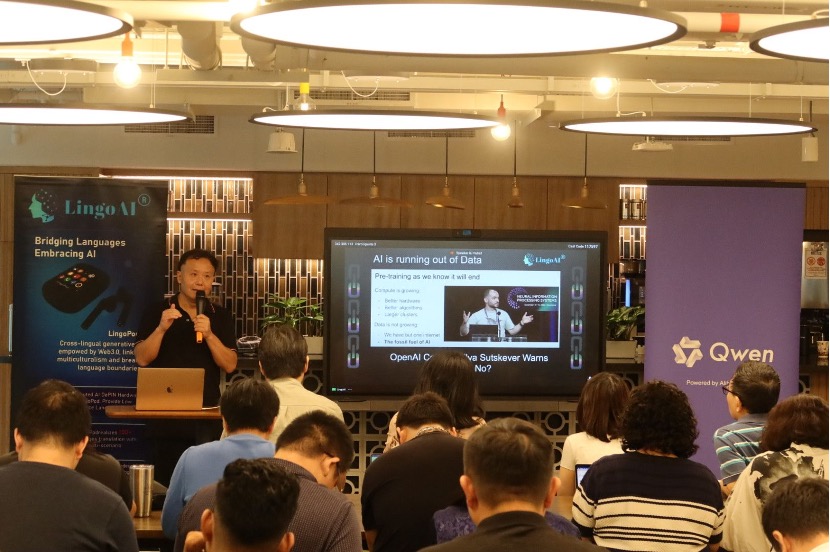
Henry Wang, Cofounder of the Singapore Internet Governance Forum, noted in his opening keynote: "If the 'native model' is not a centralized black box but a local LLM running on a user’s own hardware, then OpenClaw is no longer a 'shell'—it is the shield of one’s Personal Ontology."
Henry argued that the death of Sora represents the demise of the "closed-source, low-frequency application" logic. When expensive computing power is imprisoned within the black boxes of centralized giants, and users can only exchange prompts for "down-scaled" generative results, AI becomes nothing more than a digital altar—a corporate-owned product whose existence has no bearing on user freedom.
In contrast, the open-source OpenClaw (The Open Pincer) heralds a new paradigm. Products like Claude Code have already sounded the alarm: these seemingly omnipotent "ClosedClaws" reach into your devices and privacy like octopus tentacles, yet can sever your professional lifeline at any moment via a service ban or a cloud account suspension. True Agent users must possess autonomy, and OpenClaw was born for this purpose.
II. The "Dual-Directional Claws": The Guardian vs. The Predator
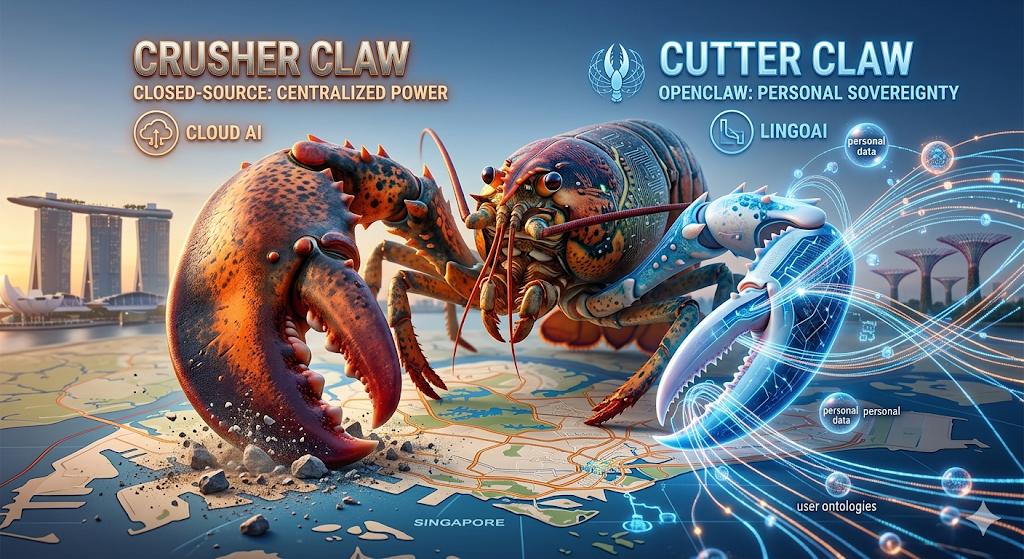
Henry Wang proposed a profound technical metaphor regarding the duality of the lobster’s pincers. OpenClaw, like a lobster, possesses two pincers with opposite functions, revealing the dual nature of technical tools under different control structures:
The Inward Claw (Crusher): The User’s Shield. When OpenClaw runs on local devices and is integrated by LingoAI with the SOLID protocol (designed by the Father of the World Wide Web), it acts like a lobster protecting its soft underbelly. It reconstructs and de-identifies data, locking it firmly in the user’s hands. This is the final line of defense for Data Sovereignty.
The Outward Claw (Cutter): The Giant’s Weapon. If this same power is co-opted by centralized AI platforms, it allows them to extend tentacles into the user’s private domain—areas previously inaccessible—becoming a blade that harvests privacy and reaps human digital remains.
"Behind technical neutrality lies the ultimate struggle for control. Where the pincer points determines whether you are the master of the digital world or a battery-farmed asset."
III. The Impact of Open-Source AI: LLM + OpenClaw
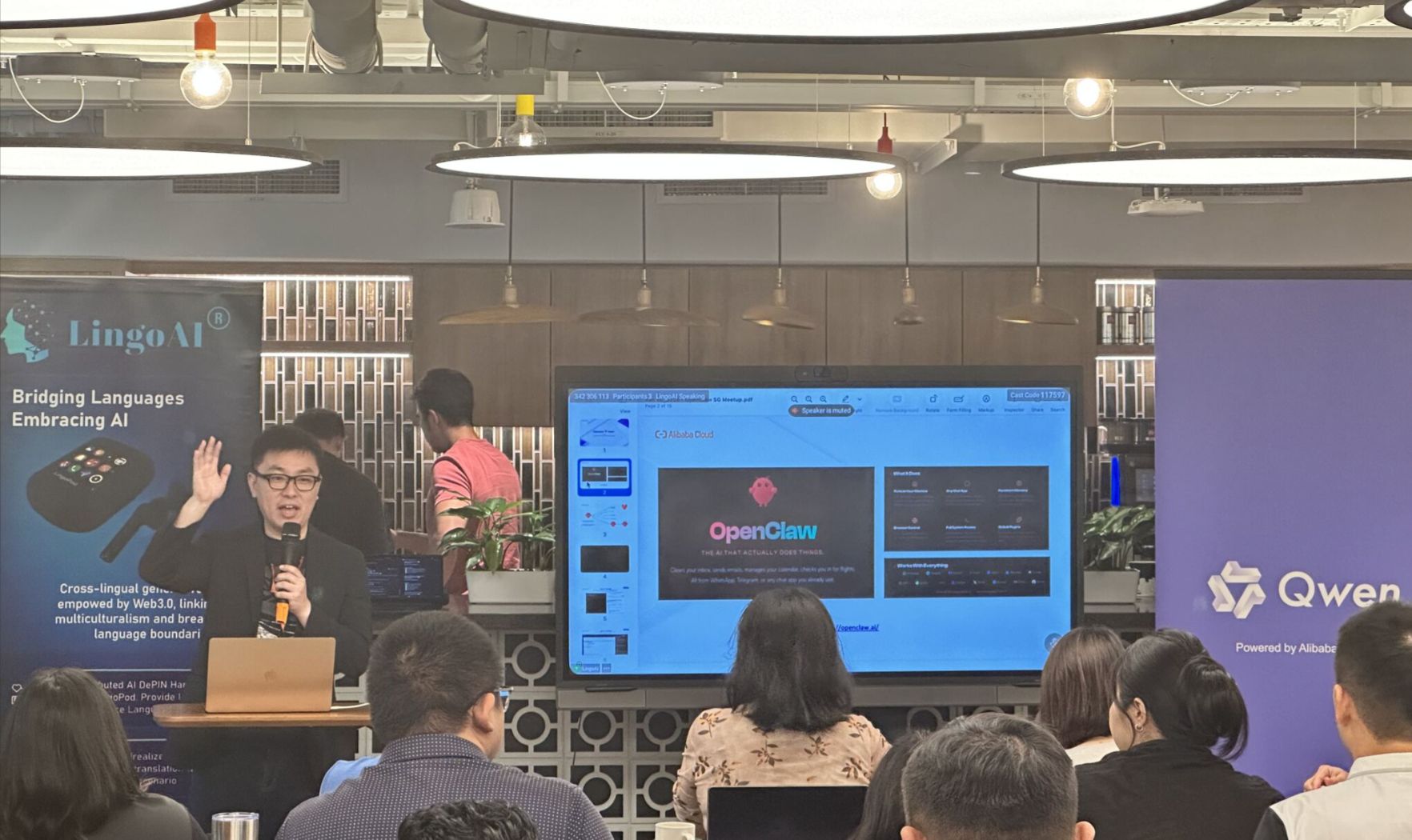
Ken Xu, Director of Solution Architecture for Alibaba Cloud, provided an in-depth look at Qwen’s advanced architecture. Publicly praised by NVIDIA founder Jensen Huang as a "world-class" and "best-in-class" open-weight LLM, Qwen has become a pillar of global AI infrastructure.
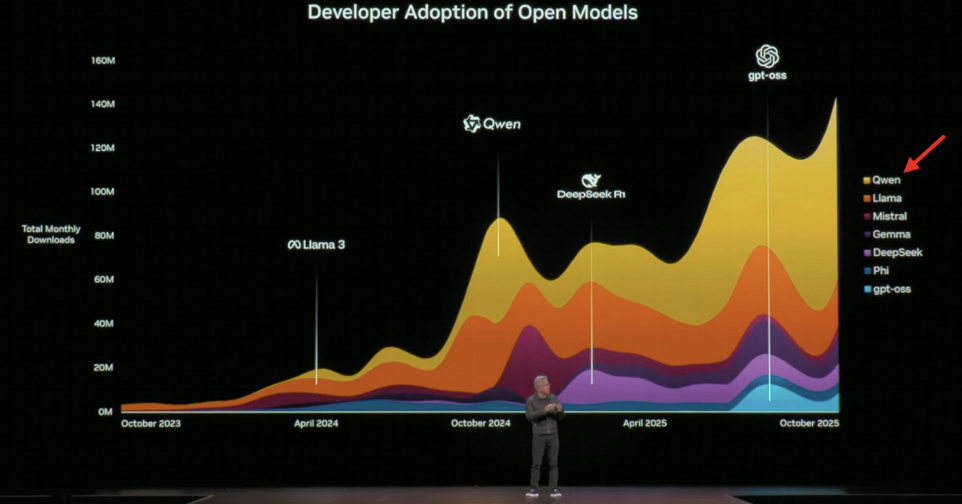
As Jensen Huang emphasized at the October 2025 GTC Keynote: "Open-source models have become the lifeblood of startups." Huang’s endorsement highlighted Qwen’s "breakaway leadership" in the open-source market since 2025, particularly in algorithmic efficiency, long-context processing, and multimodal capabilities.
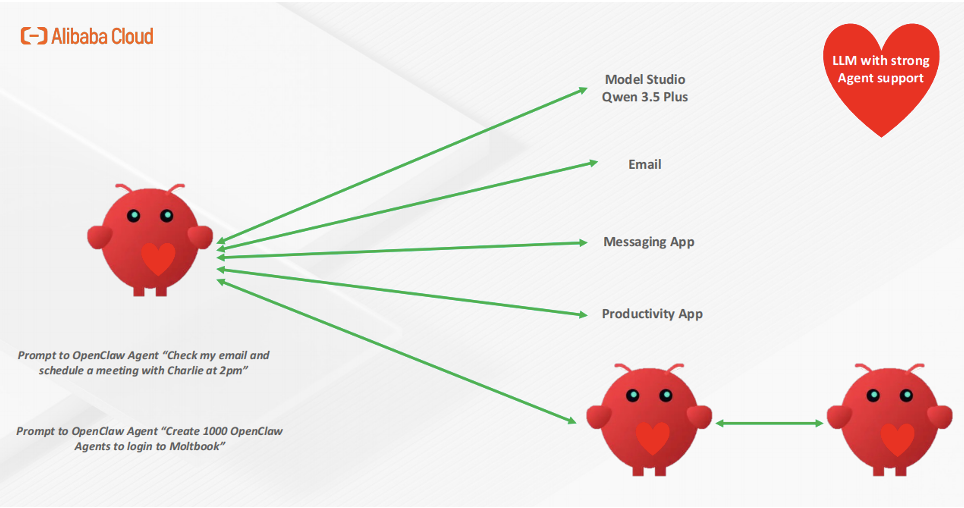
At the summit, Ken Xu demonstrated how Qwen translates high-performance reasoning into a practical Agent Network via the OpenClaw framework. This demonstration proved that top-tier AI can remain open and highly scalable. When a world-class open-source foundation like Qwen meets a flexible framework like OpenClaw, developers are no longer restricted by closed-system barriers. They can truly master Data and AI Sovereignty to build customized, high-performance applications on local devices or private clouds.
IV. From Data Serfs to Semantic Sovereignty: Una Wang’s Manifesto
Una Wang, Co-founder and CEO of LingoAI, painted a striking vision: as AI and robotics reshape the labor market, "earning by data" will gradually replace "earning by labor."
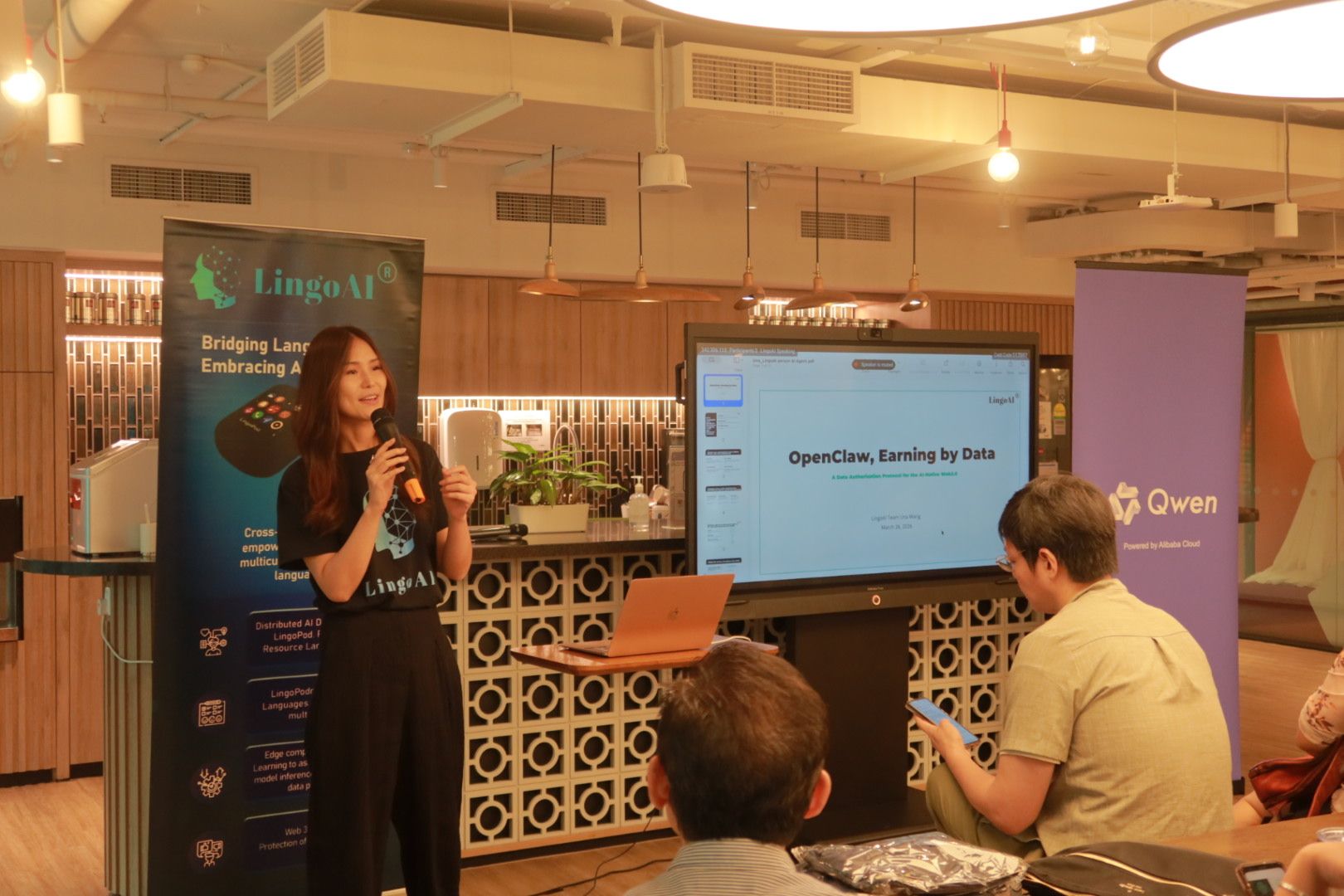
Over the next 20 years, the explosion of AI will replace most current jobs—the original intent of AI development. However, Una warned that no nation is prepared for a 50% or higher unemployment shock yet. "This is an epic tsunami, the greatest social upheaval in history. We cannot rely on AI oligarchs for a universal basic income. Personal data is an individual’s most vital asset; it is the source of stable income once labor is no longer required."
She demonstrated how LingoAI utilizes OpenClaw to automate LingoAI in the de-identification of sensitive medical data, allowing individuals to monetize their data safely under privacy protection. But first, she argued, we must transition from "Data Serfdom" to "Semantic Sovereignty."
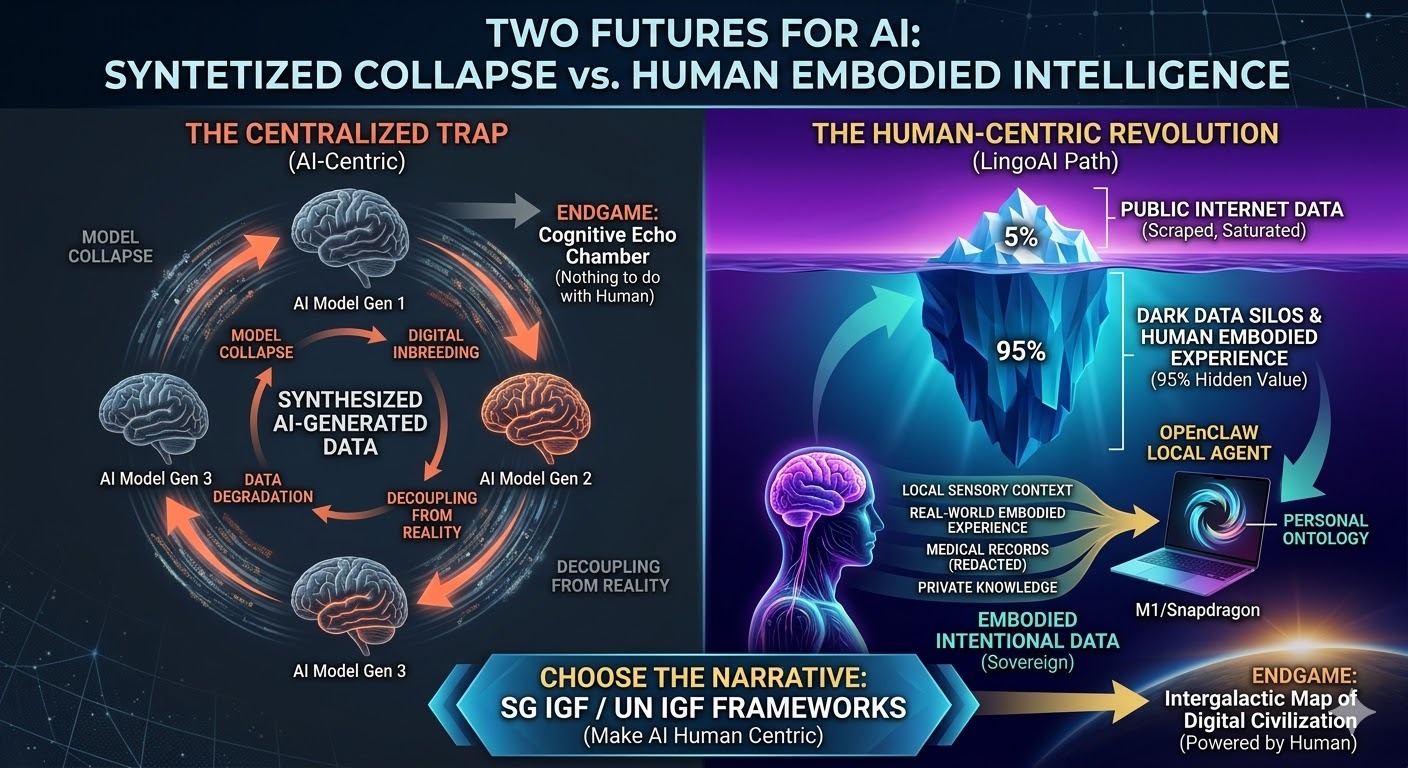
1. The "Walled Garden" Trap: Currently, personal chat logs and health data are treated as "raw waste." Ironically, storage is a cost center; you pay to store data you cannot use, while giants use it as raw material to harvest you.
2. Mining the 95% "Dark Data" Iceberg: Una warned of "Digital Inbreeding" or Model Collapse, where models trained on previous AI outputs deteriorate. The true frontier lies in the 95% of "dark data" dormant in private storage and medical records. Through local OpenClaw deployment, LingoAI acts as a bridge to enrich your personal ontology.
3. Semantic Labeling for ROI: Reclaiming data isn’t enough; it must be transformed into AI-understandable assets via Semantic Labeling. A personal Agent trained on a private ontology is exponentially more accurate in understanding specific logic (such as Web3.0 terminology) than a public LLM.
V. Application Demo: LingoAI OpenClaw + Local LLM
Una Wang conducted a milestone live demonstration showing how LingoAI uses OpenClaw to de-identify health data on a local device for safe entry into regulated data markets.
The Comparison: ClosedClaw vs. OpenClaw
Path A: The ClosedClaw Route (The Centralized Devourer). AI orchestration acts as a corporate "plug-in." Your intent and results are absorbed into a massive, closed cloud. You own neither the model nor the output; you are merely renting a service.
Path B: The OpenClaw Route (Decentralized Sovereignty). The Agent runs locally (e.g., on Snapdragon or Apple M-series hardware). Your intent is distilled into a stable Personal Ontology that stays on-device. PII/PHI (Personal Identifiable Information/Protected Health Information) is stripped locally before any task execution.
Live Demo: Health Data Monetization
Running on a consumer-grade laptop, Una demonstrated a Real-World Evidence (RWE) data pipeline.
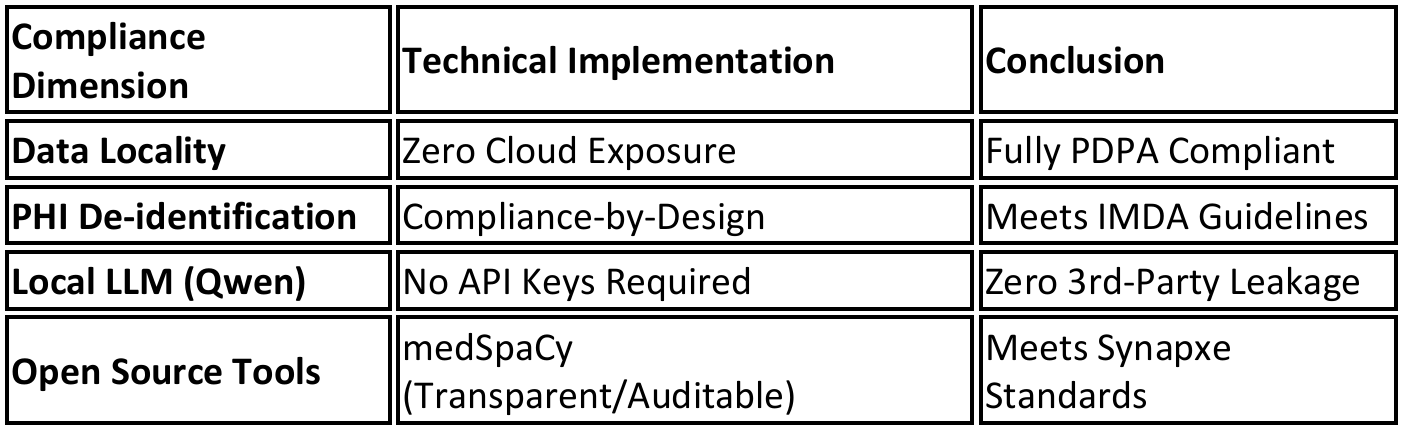
The process showed raw health records being automatically de-identified by a local Qwen model and structured into an "A-grade asset" for medical research, allowing the user to transition from a "data serf" to a "data owner" while contributing to global health research (Precision Medicine, Rare Disease research).
VI. The Lion City Consensus: Hardcore Infrastructure for an Open AI Ecosystem
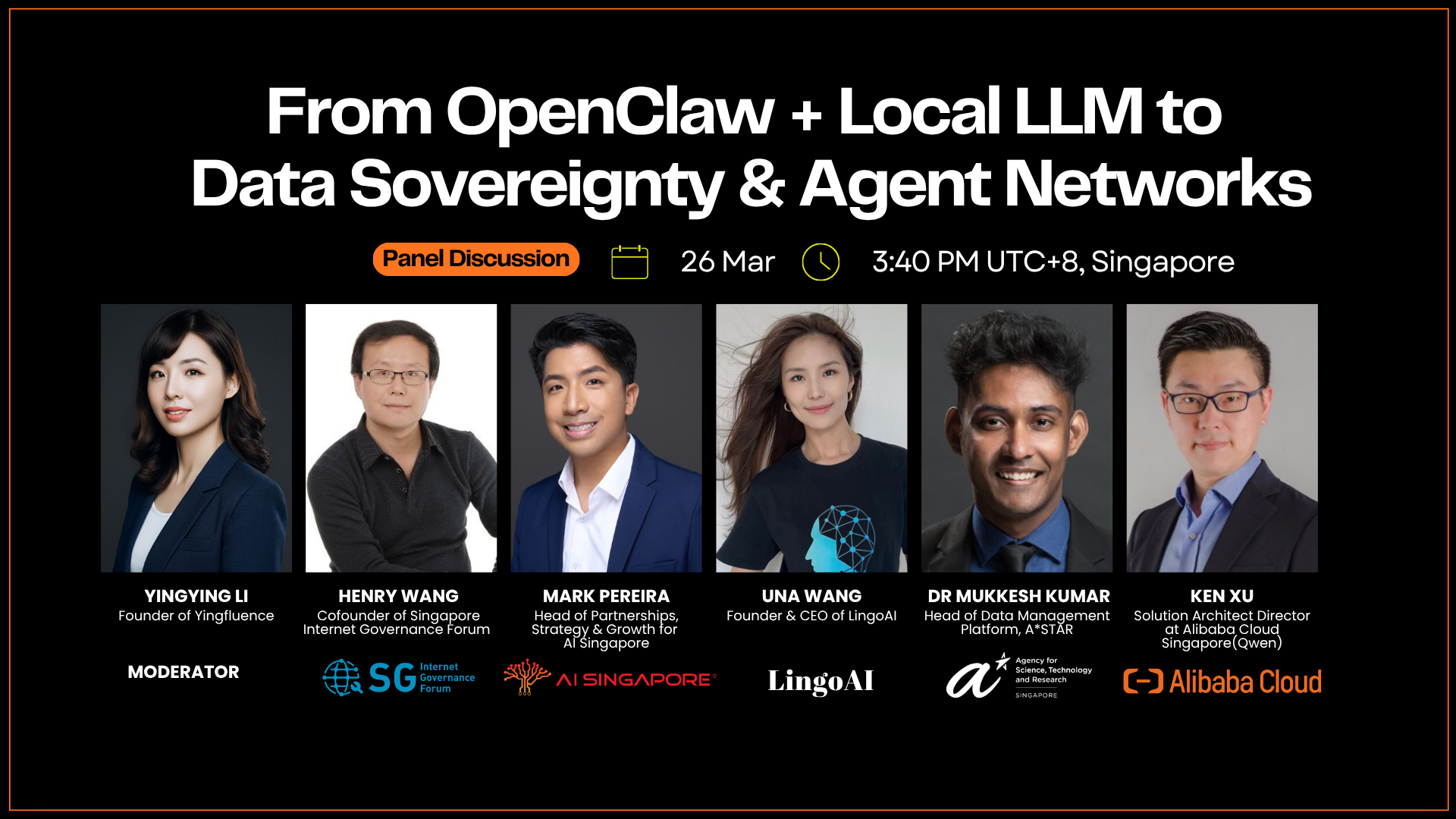
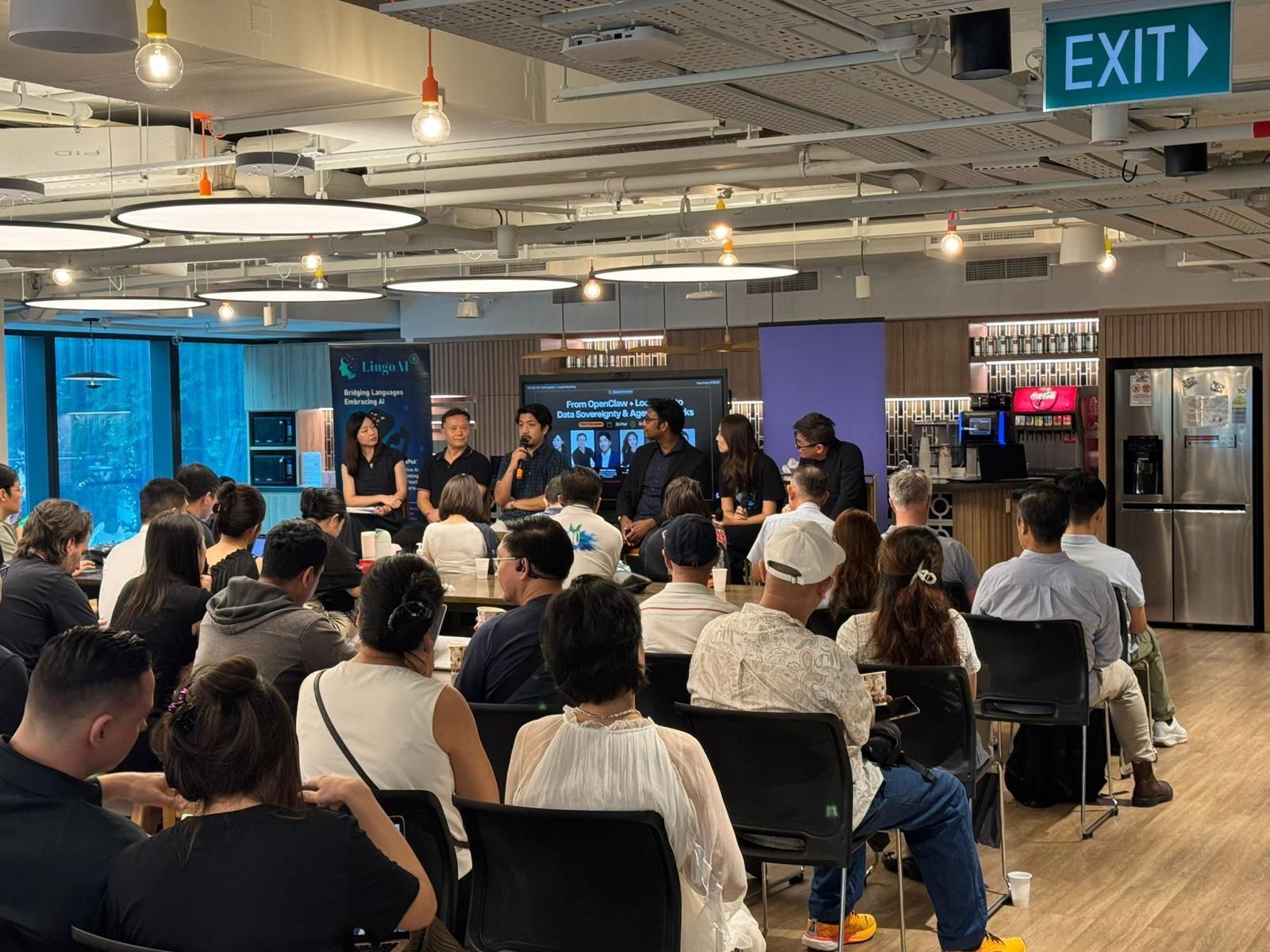
In a roundtable moderated by YingYing Lee (Founder of Yingfluence), six industry leaders from Singapore’s national AI bodies discussed regional linguistic sovereignty and cross-border governance.
Southeast Asian AI Sovereignty:
Mark Pereira (Head of Partnerships, AI Singapore) noted that the region’s 650 million people speak over 1,000 dialects. Localized models like SEA-LION fill this gap. Combining SEA-LION with OpenClaw prevents "data colonialism" by allowing high-performance AI to run without sensitive data leaving regional borders.
Cross-Border Governance:
Dr. Mukkesh Kumar P (Data Management Lead, A*STAR) discussed the need for Agent Protocols. Instead of traditional contracts, Agents should exchange machine-readable protocols: "Who am I, and for what purpose is this data permitted?" Singapore’s MERaLiON model, which supports code-switching and emotional intelligence, provides the decentralized infrastructure for this regional collaboration.
Una Wang added that using SEA-LION and MERaLiON ensures accurate local data ingestion, noting it is difficult for Western-trained models to handle the semantic structuring of the 1,370 living languages in Southeast Asia.
Conclusion: Reshaping Civilization in the Agent Network
The Singapore summit was more than a tech showcase; it was a manifesto for human dignity. From Henry Wang’s "Lobster Duality" to Una Wang’s "Semantic Sovereignty," a clear path has emerged: with OpenClaw, AI is no longer a blade for extraction, but a shield for sovereignty.
Singapore is uniquely positioned to lead this vision. According to the 2025 Global AI Index by Tortoise Media, Singapore ranks 3rd globally; ARKANCE ranks its AI infrastructure 1st; and Microsoft AI Research (April 2026) ranks its AI adoption 2nd.
No Open Source, No Sovereignty.
No Protocol, No Governance.
No Network, No Future.
In this AI endgame, Singapore is witnessing the launch of a human-centric, culturally respectful, and open-source-driven Sovereign AI civilization. The victory will be determined by whether the "pincers" are handed back to the user. OpenClaw lives because it is not just a product—it is a blueprint for freedom.
We are not saving AI; we are ensuring that the future of intelligence is driven by the human soul.
This article summarizes the proceedings of the "OpenClaw + Local LLM to Data Sovereignty & Agent Networks" Summit held in Singapore, March 2026.